
Managed Plant Growth That Keeps Outdoor Spaces Clear
Tree and shrub trimming in Ardmore for overgrown landscaping affecting walkways, structures, and yard usability
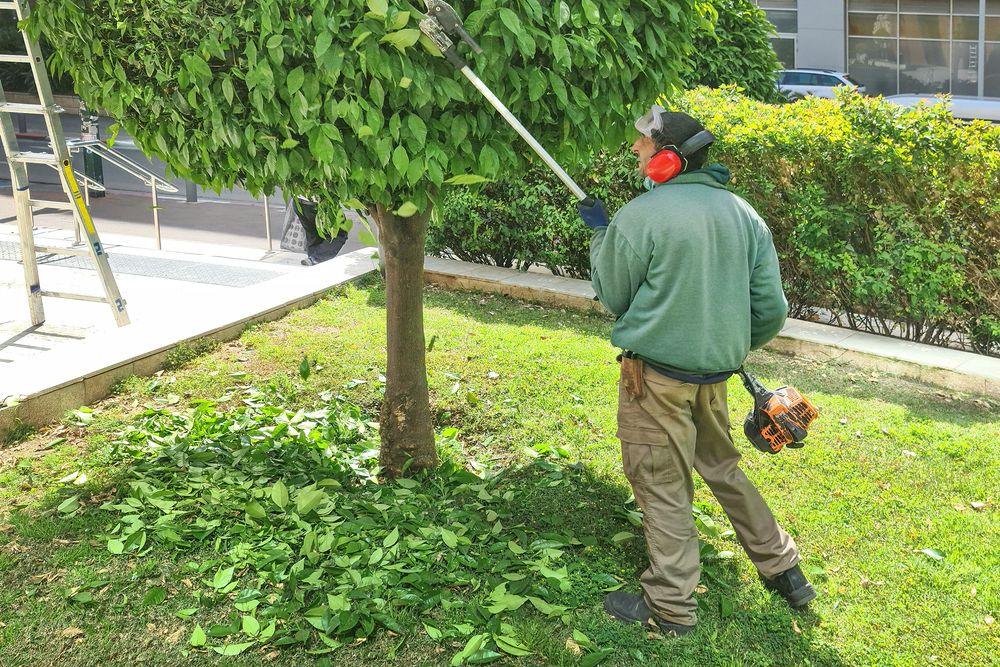
Unchecked plant growth around a property shows up in specific, observable ways: shrubs pressing against siding, low branches reducing clearance above a walkway or driveway, hedges spreading beyond their intended boundary and crowding adjacent plants, or tree canopy extending over roof edges or outdoor structures. McCarley Services provides tree and shrub trimming for Ardmore homeowners managing growth that has outpaced the original landscape plan or has not been maintained on a consistent schedule. The work addresses how plants look, how they occupy space, and whether their current growth creates practical problems for the property.
Pruning approach is not uniform across plant types. Deciduous shrubs, ornamental trees, flowering hedges, and established shade trees each respond differently to where and how cuts are made. Cutting back to a lateral branch or node controls the direction of future growth; cutting indiscriminately—topping or shearing without regard to branch structure—can trigger excessive regrowth, create entry points for disease, or alter the plant's natural form in ways that require ongoing corrective work. The plant's species, its current health, and its relationship to surrounding structures all shape what a productive trim involves.
Request an assessment of your landscaping from McCarley Services to identify which plants need trimming and what approach makes sense for each.
Why Pruning Decisions Depend on Plant Condition
The timing and extent of trimming work depends on what the plant is being asked to do and what condition it is currently in. A shrub that has grown significantly beyond its allocated space may need to be cut back in stages rather than all at once—removing more than roughly one-third of a plant's total canopy in a single session can cause enough stress to set back new growth or compromise the plant's structure. Overgrown branches near structures require evaluation of their attachment point and angle before cuts are made, since the direction a branch falls when cut is determined by its weight distribution and how it is connected to the main trunk or limb.
After trimming is complete, the change is clear in how the landscape reads and how the surrounding spaces function. Walkways and driveways with restored clearance feel open rather than enclosed. Shrubs along foundation lines no longer press against siding or block window sightlines from inside. Overhanging branches that previously deposited debris on a roof surface or patio cover are removed, reducing ongoing maintenance in those areas. The landscape looks maintained rather than abandoned.
Routine trimming is a different scope of work from hazardous tree removal, which involves trees with significant structural failure, large-diameter trunk cuts at height, or trees positioned where their fall path creates risk to structures or utilities. That type of work requires separate assessment and is handled differently from standard shrub and branch trimming. McCarley Services can help identify which plants fall under routine trimming scope and which may require a different approach.
What Property Owners Ask About the Work
Trimming decisions vary by plant type, growth pattern, and how the landscaping relates to the structures and spaces around it. The following questions address what the work actually involves for typical residential properties in Ardmore.
How is the right amount to trim determined for an overgrown shrub?
The extent of trimming is guided by the plant's current size relative to its intended space, its species-specific tolerance for reduction, and whether the goal is to restore its shape or simply contain its spread. Removing too much at once can suppress regrowth or cause dieback, so significant reductions are often staged across more than one visit.
What is the correct cut location when trimming a branch?
Cuts should be made just outside the branch collar—the slightly raised area where the branch meets the trunk or parent limb—rather than flush with the trunk or far out on the branch. Cutting outside the collar preserves the plant's natural wound-closure tissue and reduces the risk of decay entering through the pruning site.
Why does trimming shrubs near a home's foundation matter beyond appearance?
Shrubs in contact with siding create a pathway for moisture to remain against exterior wall surfaces, accelerating deterioration of wood trim and siding material. Dense shrub growth against a foundation also reduces visibility during routine property inspection and can conceal damage that would otherwise be caught early.
How does the age of established trees in Ardmore's older residential areas affect trimming approach?
Trees that have matured over several decades may have significant canopy spread and structural co-dominance—where two or more large limbs share the lead position. Trimming in those situations requires more careful evaluation of which cuts maintain the tree's structural integrity rather than simply cutting back the outermost growth.
What should be done with debris after shrubs and trees are trimmed?
Cut material is typically chipped, hauled, or left in place depending on volume and access. Larger limb sections may be cut to manageable lengths for separate disposal. Clarifying debris handling before the work begins prevents misunderstandings about what is included in the trimming scope.
McCarley Services assesses overgrown trees and shrubs on-site before trimming begins, so the work is matched to what each plant actually needs rather than applied uniformly across the property. Connect with McCarley Services to schedule a landscaping review and discuss which areas of your property need attention first.