
Paths That Connect Your Outdoor Spaces
Walkway and Pathway Installation in Ardmore for yards with uneven terrain and unreliable foot-traffic routes
McCarley Services installs walkways and pathways that create defined, functional routes between the areas homeowners actually use—entrances, patios, garden beds, outbuildings, and side yards. Without a built path, repeated foot traffic across lawn areas compacts soil, strips grass, and leaves muddy channels that are difficult to navigate after rain. A properly installed walkway solves that problem at its source by giving people a stable, consistent surface to walk on, regardless of what the surrounding ground is doing.
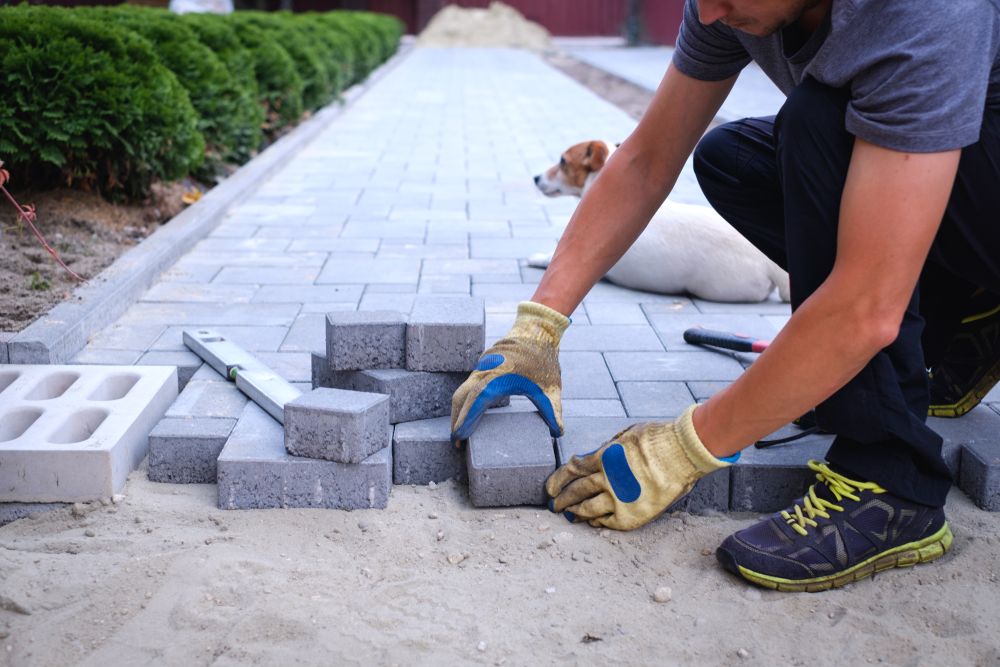
The installation process begins with route planning, which involves mapping how the path will connect specific points, what grade changes exist along that route, and whether any low spots require drainage consideration before the surface material goes down. Slope management is handled during base preparation rather than after the fact—a path installed on an unstable or improperly sloped sub-base will shift, settle, and become a tripping hazard within a season or two. Surface material selection follows once the route and grade are confirmed, so the finished path performs correctly for the specific conditions of that yard.
Contact McCarley Services to walk through pathway placement options and request an estimate based on your yard's layout and terrain.
How Route Planning Shapes a Walkway That Lasts
Common Questions About This Service
Walkway projects in Ardmore vary depending on yard slope, existing vegetation, and how the outdoor space is used. The questions below address how the work is actually done and what you can expect during and after installation.
What happens during route planning before installation begins?
The route is evaluated for grade changes, drainage patterns, and how foot traffic currently moves across the yard. Adjustments to the planned path are made at this stage rather than after excavation, which prevents rework and ensures the finished walkway follows a line that is both practical and visually clean.
How does base preparation affect the long-term stability of a walkway?
The sub-base layer determines whether the surface material stays level over time. A compacted, properly graded base resists settling and shifting, while an inadequate base allows individual stones or pavers to rock, separate, or sink within the first few years of use.
What surface materials are available for pathway installation?
Material options depend on the specific conditions of the site, including grade, intended use, and surrounding landscape. Your installation will be matched to materials that fit both the function of the path and the aesthetic of the existing outdoor space.
How does slope affect where a walkway can be placed in an uneven yard?
Steep grade changes require the path to be routed with manageable transitions rather than running straight up a slope, which would create a slippery, difficult-to-navigate surface. In Ardmore, where residential lots frequently include natural grade variation, routing decisions are made on site after evaluating the actual topography rather than defaulting to the most direct line between two points.
What can you expect to notice once the walkway installation is complete?
Foot traffic naturally moves onto the new surface, which stops the ongoing wear across planted areas and lawn. Muddy patches that developed along informal paths typically recover once compaction and repeated foot traffic are removed from those areas.
McCarley Services works through the route, grade, and material decisions before any excavation begins, so the finished walkway fits how your outdoor space is actually used. Describe your yard layout and the connection points you want to establish, and we will put together a detailed estimate for the installation.